What Is the Difference Between Encapsulation and a Vapor Barrier?
Short answer: A vapor barrier covers exposed soil to reduce ground moisture. Crawl space encapsulation is a more complete system that can include the vapor…
Our Blog
Short answer: A vapor barrier covers exposed soil to reduce ground moisture. Crawl space encapsulation is a more complete system that can include the vapor…
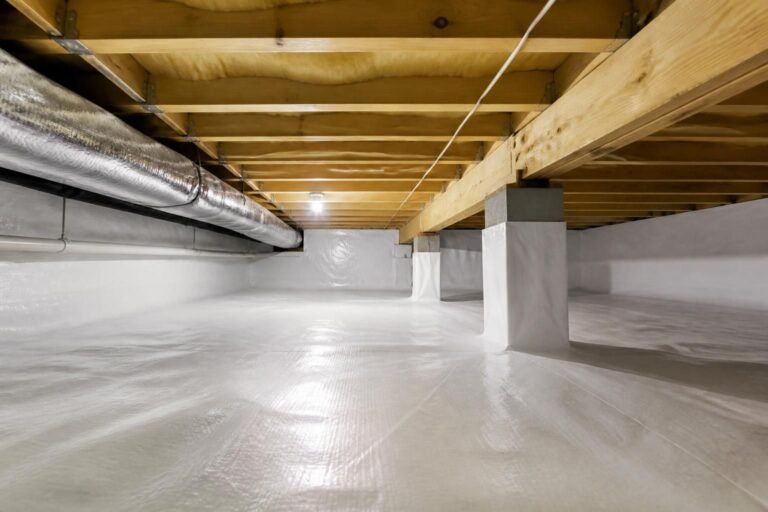
Short answer: During a crawl-space inspection, Catawba Crawlspace Co. reviews the accessible space for moisture sources, water entry, exposed soil, vapor-barrier condition, humid-air pathways, insulation,…
Short answer: A crawl space encapsulation plan should include inspection findings, moisture sources, drainage notes, debris or insulation removal, vapor barrier details, wall and pier…
Short answer: Standing water in a crawl space can come from poor exterior grading, short downspouts, foundation-wall seepage, low areas in the crawl space floor,…
Short answer: You can handle small crawl space cleanup tasks yourself, but full encapsulation is risky as a DIY project when there is standing water,…
Short answer: Crawl space insulation should be replaced or removed when it is wet, sagging, moldy, pest-damaged, blocking inspection, or no longer performing. After encapsulation,…
Short answer: Crawl space encapsulation is worth it when the space has moisture problems, musty odor, high humidity, wet insulation, duct condensation, standing water history,…
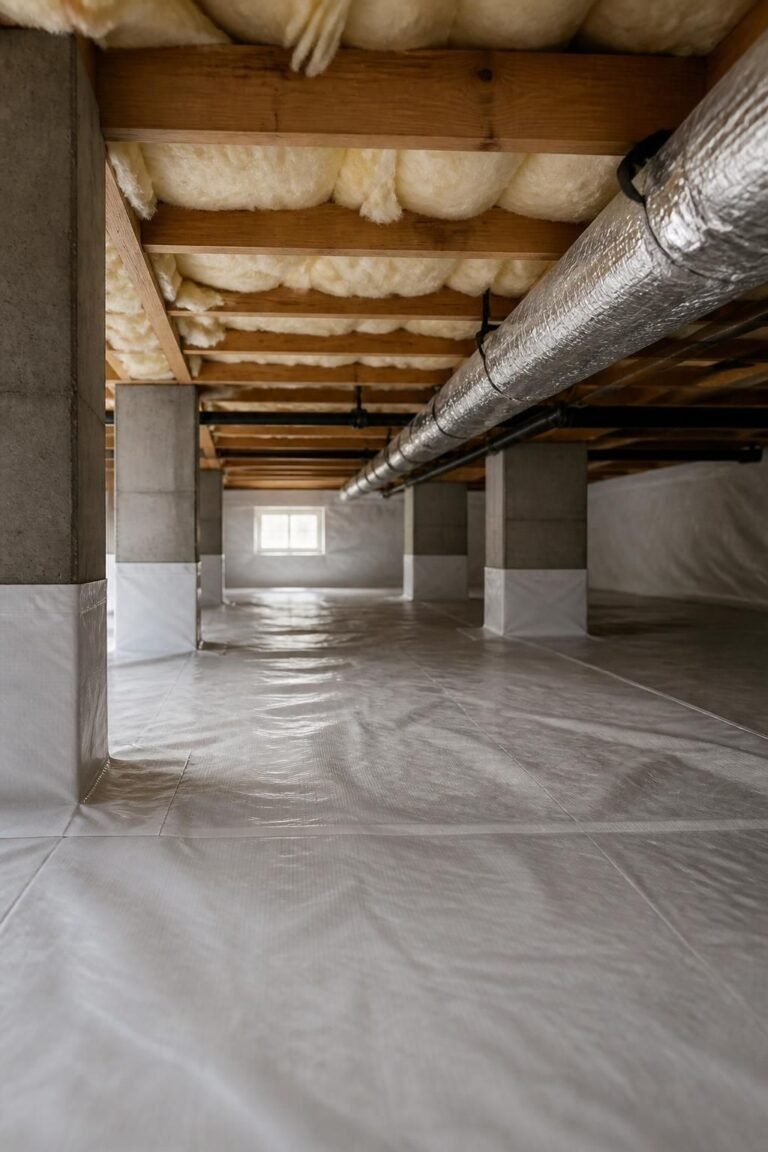
Short answer: Full crawl-space encapsulation in Charlotte has a 2026 planning range of about $4,865–$14,595. Vapor-barrier work, dehumidifiers, insulation, waterproofing, mold removal, and repairs have…
Short answer: A crawl space is waterproofed by finding where water enters, improving exterior drainage when needed, managing low areas inside the crawl space, and…
Get Started
Share what you have noticed in your crawl space, and we will help you understand the next best step for moisture control, repairs, or encapsulation work.