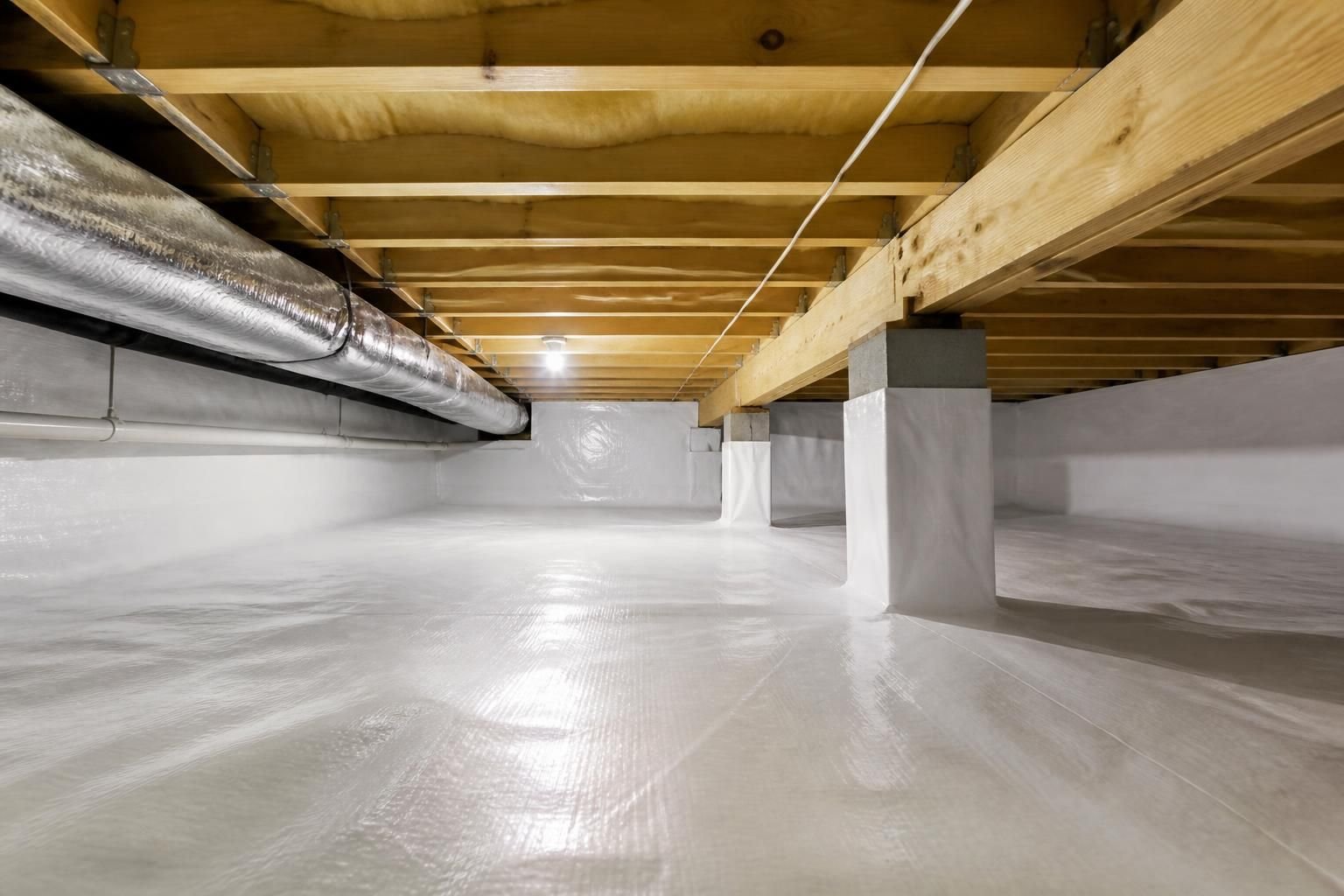
Catawba Crawlspace Co. provides crawl space inspection in Charlotte, NC for homeowners who have noticed a musty odor, dampness, water beneath the home, changed floor comfort, or damaged insulation. An inspection turns those observations into a clear next step by identifying the conditions present before work is recommended.
Schedule an inspection when you need to understand what is happening below your home and whether moisture control, repair, or another service fits the condition.
An inspection evaluates the crawl space as a connected system. Ground moisture, water entry, outside air, insulation, wood framing, and existing barrier material can affect one another. We look for visible conditions and explain which concern should be addressed first.
We inspect for damp soil, standing water, water paths, openings, barrier coverage, insulation condition, visible mold-related conditions, and visible damage to accessible crawl space components. The goal is to distinguish ground vapor from active water entry and humidity from damage that may need repair.
An inspection does not assume every home needs full encapsulation. It identifies whether the crawl space may benefit from vapor barrier installation, waterproofing, dehumidification, insulation work, mold removal, repairs, or a combination of those services.
Moisture below a home can affect insulation and wood framing. Damp materials can contribute to musty odor, and gaps can allow outside air and pests to enter. When insulation is compromised, the floor system may feel less comfortable. These relationships are reasons to inspect, not a diagnosis of a condition that has not been observed.
Share odors, water events, floor changes, and any access limitations.
We inspect accessible areas and the moisture-control components already in place.
We describe the condition and the practical service path, including when another service should come first.
If work is appropriate, we review the recommended scope and what to monitor afterward.
Ground moisture may call for vapor barrier installation. Active water entry or drainage concerns may require crawl space waterproofing. Persistent humidity can support crawl space dehumidifier installation, while damaged insulation, wood, or visible mold-related material may need the related service. Inspection is the service that helps select among these options.
Keep the crawl space access available when possible and tell us about standing water, animals, stored items, or other conditions that affect safe entry. After an inspection or completed work, watch for new water, liner damage, changed odor, condensation, or deteriorating insulation. Contact us if those conditions return.
It can identify visible moisture paths and conditions that may be contributing, including damp soil, water entry, gaps, and failing materials.
No. Odor can be associated with damp materials and humidity. Inspection helps determine what is visibly present.
Yes. Their visible condition and coverage are part of evaluating the crawl space.
No. Recommendations should follow the conditions found in the space.
Describe water events, odors, floor changes, prior work, and access conditions.
We explain the findings and the service path that fits the observed condition.
A typical 2026 planning range is about $100–$300 in the Charlotte market. Inspection type, access, and testing affect market pricing. Ask Catawba whether a visit fee applies when scheduling. See the Charlotte crawl-space pricing guide and request an inspection for a written scope.
Call +17042766624 to schedule a crawl space inspection with Catawba Crawlspace Co. in Charlotte, NC. We will help you move from a crawl space concern to an informed plan.
Get Started
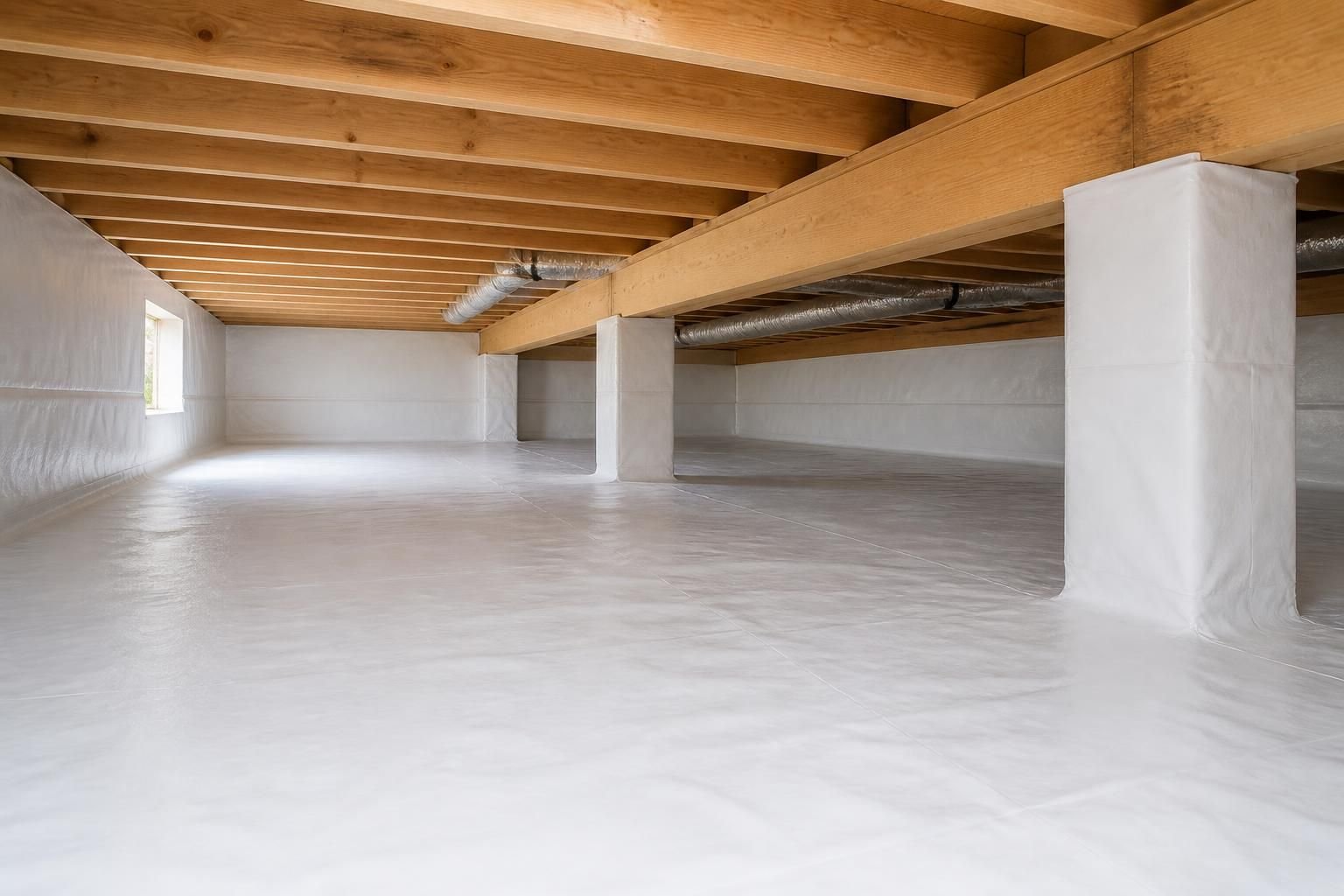
Share what you have noticed in your crawl space, and we will help you understand the next best step for moisture control, repairs, or encapsulation work.