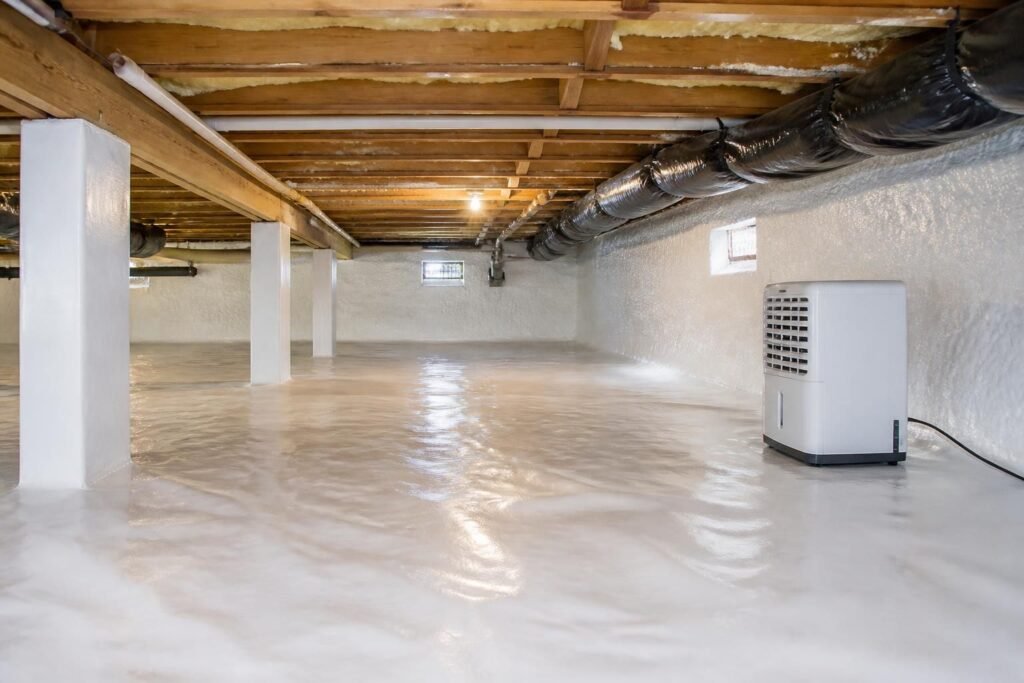

Crawl Space Encapsulation in Charlotte, NC
Crawlspace Encapsulation in Charlotte, NC
Catawba Crawlspace Co. helps Charlotte homeowners understand and address damp, musty, or water-prone crawl spaces through inspection-led encapsulation, moisture control, and related repairs.
- Detailed Crawl Space Inspections
- Moisture and Drainage Solutions
- Service Across Charlotte and Nearby Areas
Charlotte Crawl Space Services for Moisture, Water, and Damage
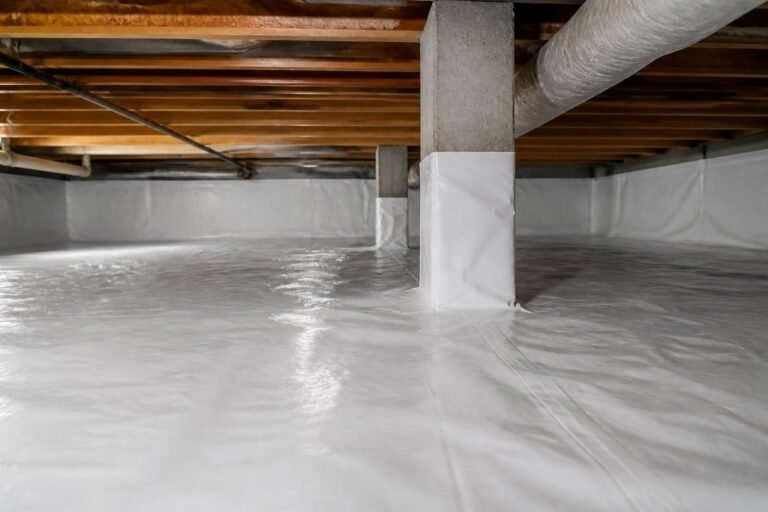
Vapor Barrier Installation
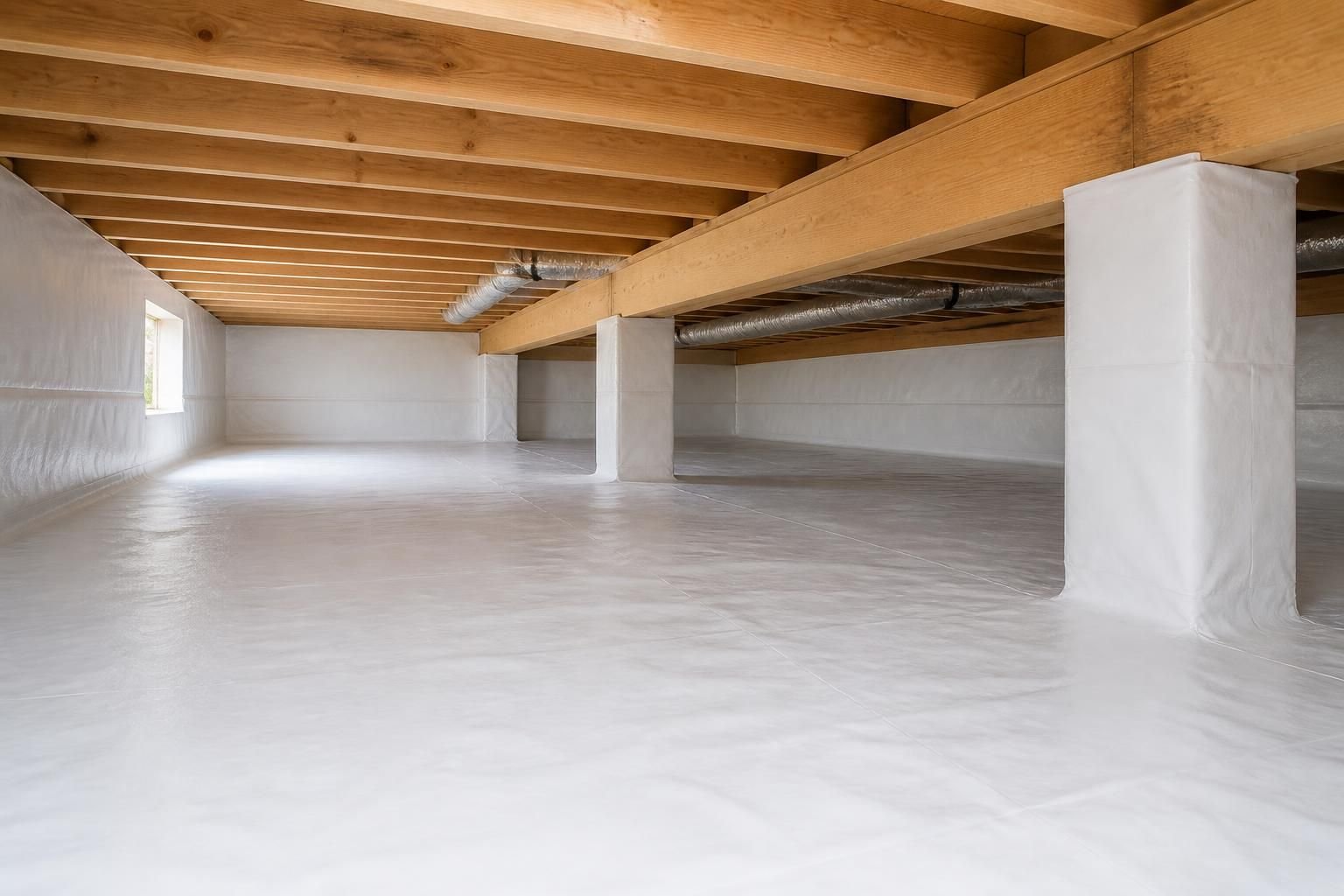
Seal crawl space moisture at the source with vapor barrier installation tailored for Charlotte homes.
Learn More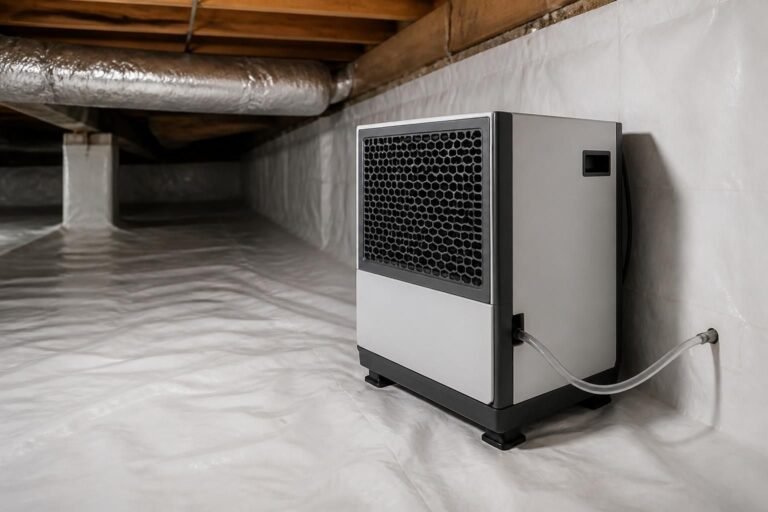
Dehumidifier Installation
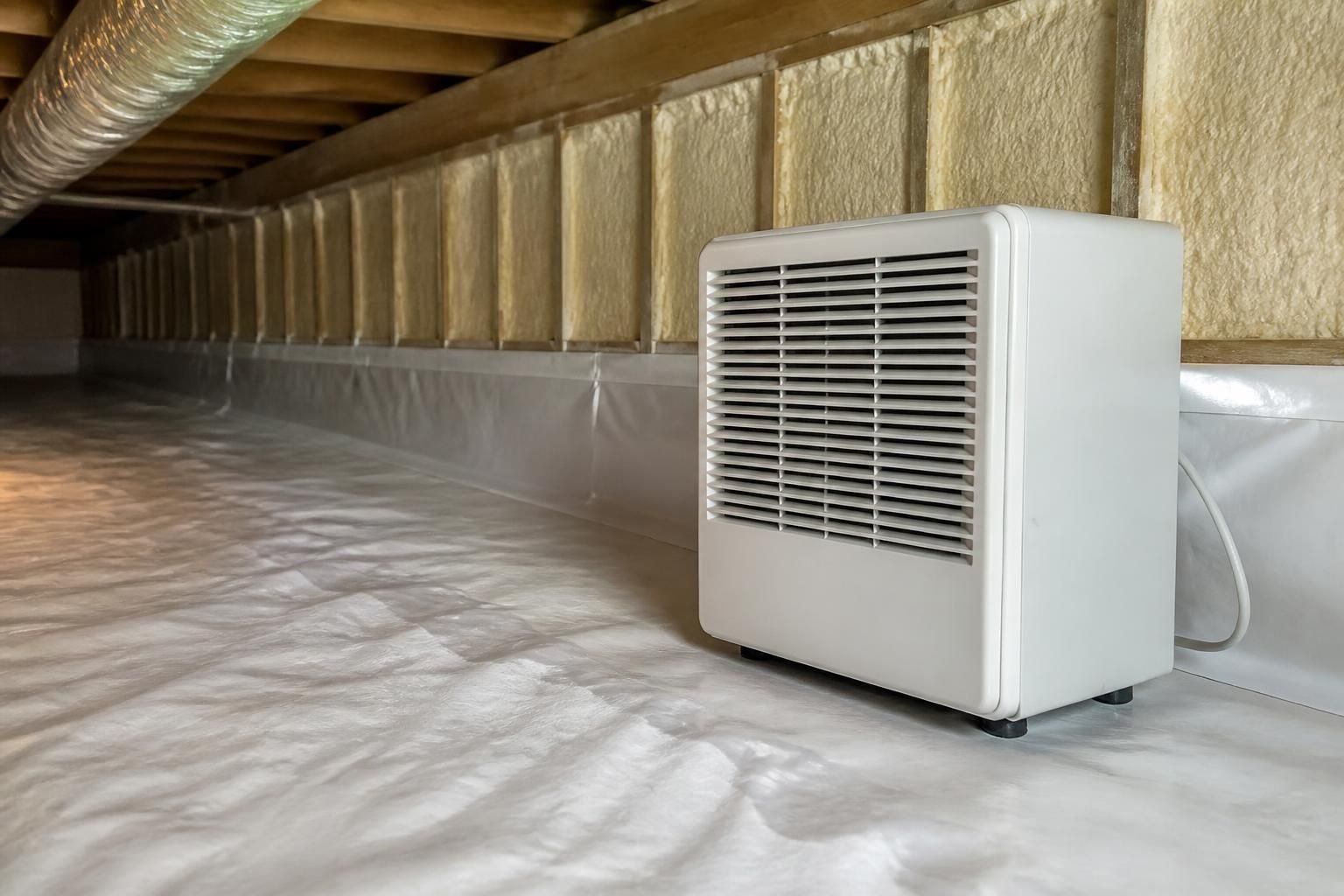
Control crawl space moisture with a dehumidifier installed for Charlotte homes.
Learn More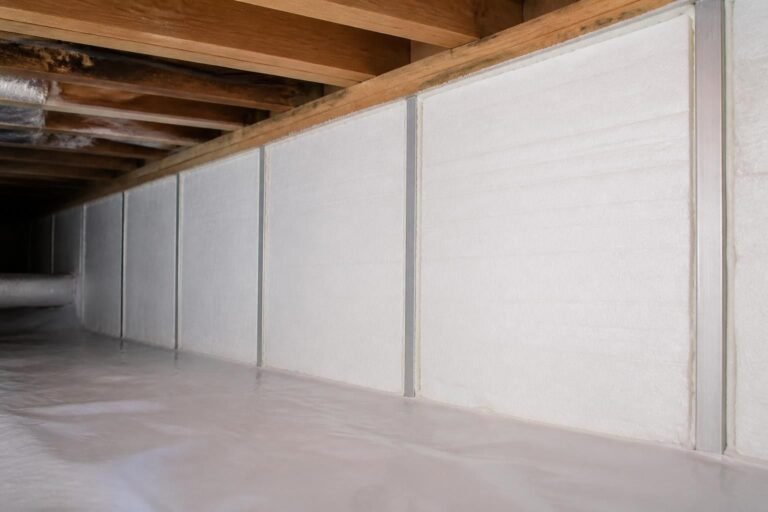
Crawl Space Insulation
Insulation problems under your home can feed moisture, odors, and higher energy use.
Learn More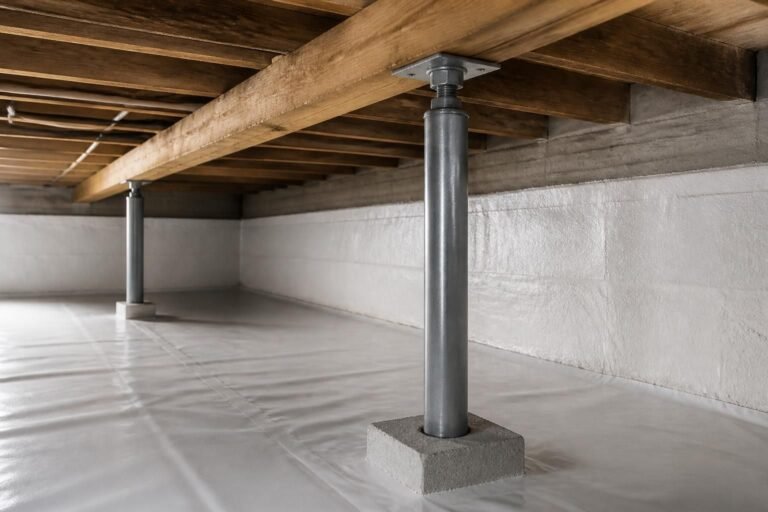
Crawl Space Repairs
Fix damaged crawl spaces, stop moisture problems, and protect your Charlotte home from costly deterioration.
Learn More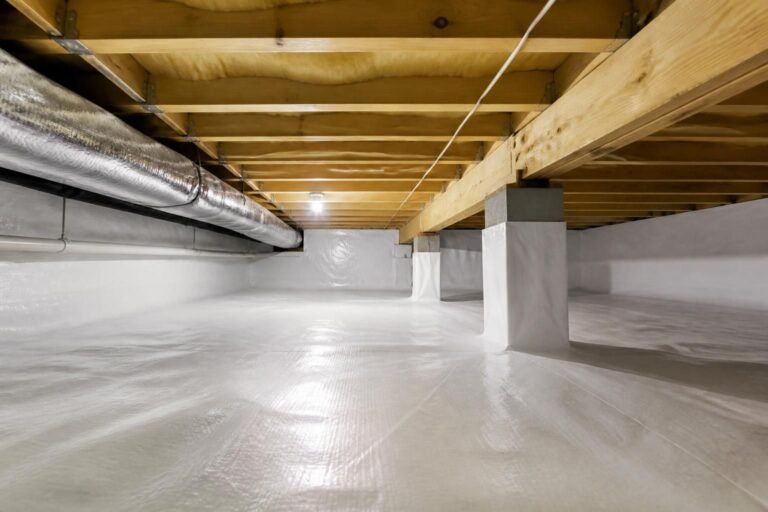
Crawl Space Inspection
Find moisture, damage, and hidden crawl space concerns before they spread.
Learn More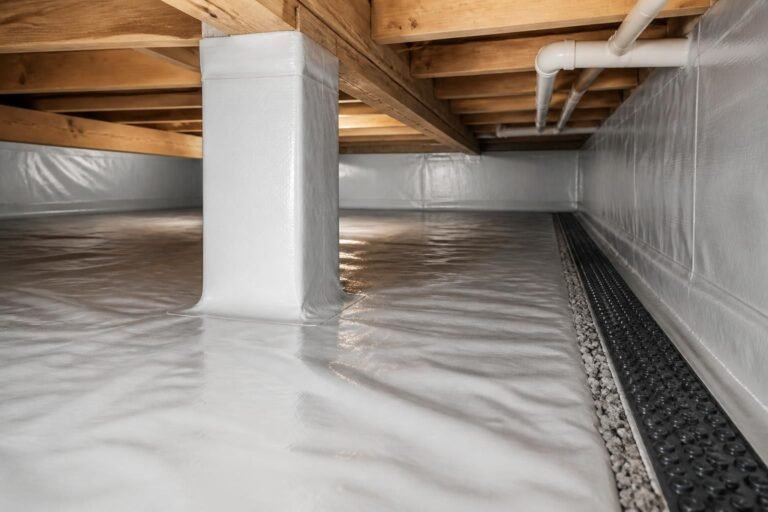
Crawl Space Waterproofing
Protect your Charlotte crawl space from standing water, damp air, and moisture damage.
Learn More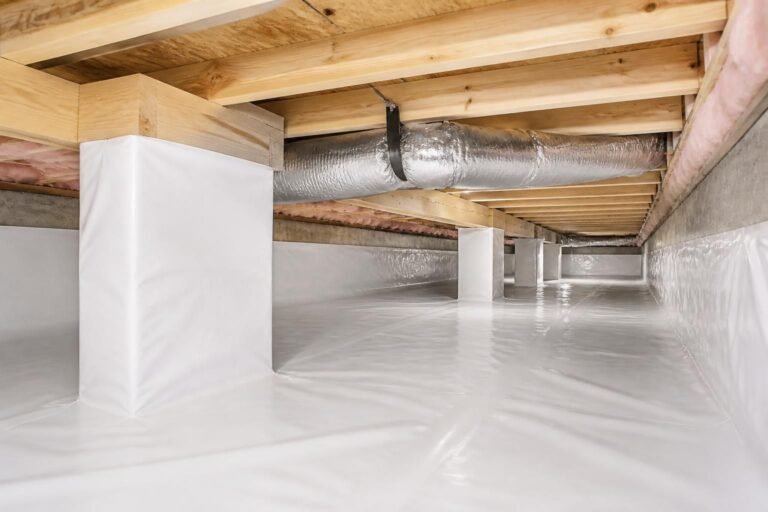
Crawl Space Mold Removal
Remove crawl space mold, stop moisture sources, and protect your Charlotte home.
Learn MoreCharlotte Crawl Space Guidance
What a Charlotte Crawl Space Encapsulation System Can Include
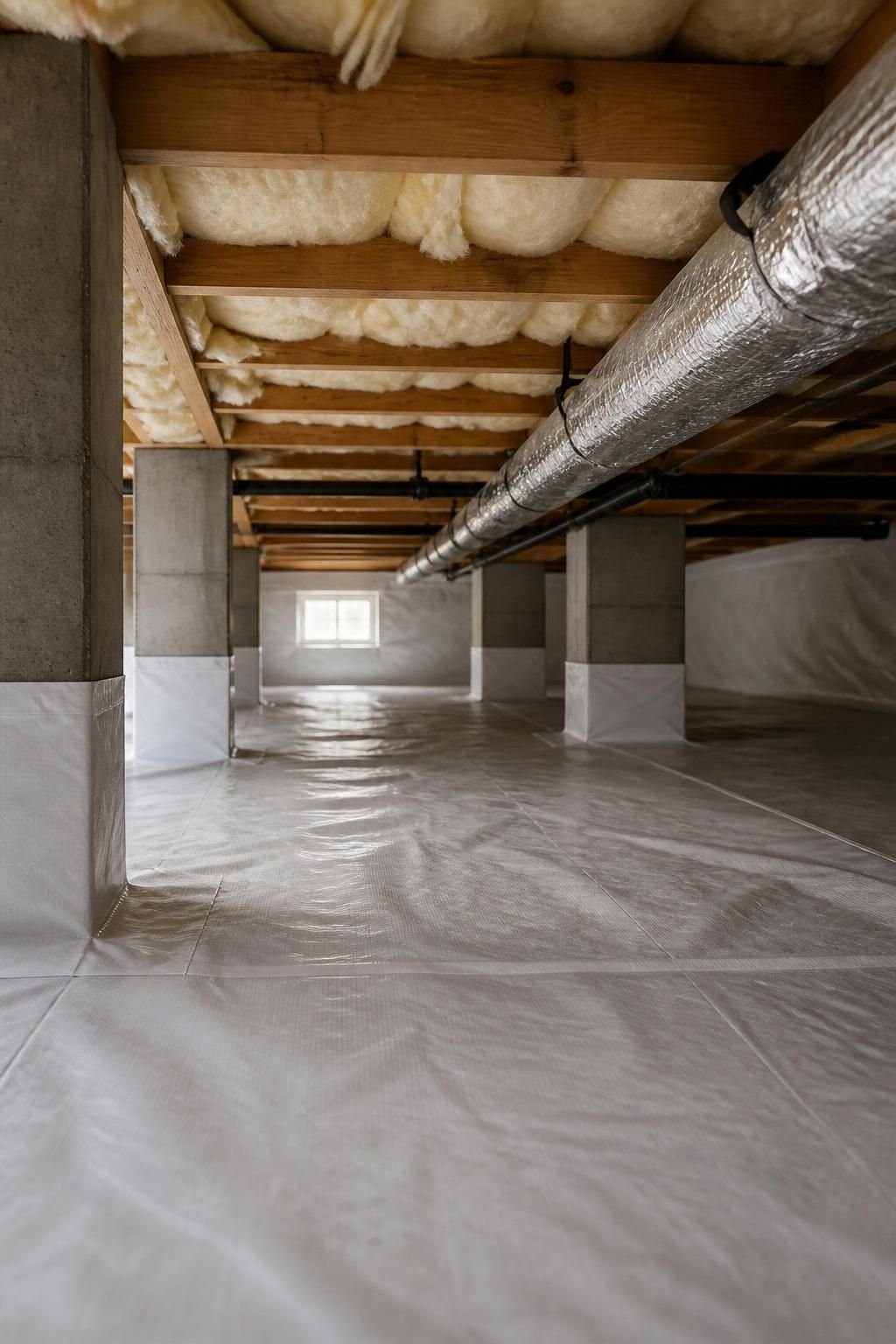
Crawlspace encapsulation helps homeowners manage moisture beneath the home by addressing the conditions found during an inspection. Catawba Crawlspace Co. serves Charlotte, NC with a process that connects the crawl space problem to the appropriate service path, from ground vapor and humidity to water entry and damaged materials.
Why Charlotte Crawl Spaces Get Wet, Humid, or Musty
Charlotte crawl spaces can be affected by more than one moisture path: vapor from exposed soil, humid outside air moving through vents or gaps, liquid water after rain, plumbing leaks, or damp materials that have not dried. An inspection should separate those conditions before a liner, waterproofing, dehumidification, insulation, cleaning, or repair work is selected.
Musty odor, damp soil, condensation, wet insulation, visible staining, recurring water, and damaged liner material can all signal that the space needs evaluation. These conditions can affect wood framing, the floor system, insulation, indoor comfort, air quality, pest entry points, and energy use when moisture or outside air is able to move through the crawl space.
What an encapsulation system can include
There is no single system for every home. Inspection may lead to vapor barrier or liner installation to reduce ground vapor, sealing at outside-air and moisture entry points, drainage or waterproofing considerations for water entry, and dehumidification when active humidity control is appropriate. Insulation, mold removal, or crawl space repairs may also be recommended when visible conditions call for those services.
How service selection works
We inspect the accessible crawl space before recommending work. Ground moisture is different from water entering the space. A dehumidifier manages air moisture, while a vapor barrier limits vapor from exposed soil. Waterproofing addresses water-entry and drainage concerns. This distinction helps homeowners understand why components are selected and when an adjacent service may be needed instead.
Installation, monitoring, and maintenance
After the scope is selected, we complete the planned installation and review the finished work. Homeowners should continue to watch for new water, condensation, persistent odor, damage to liner material, open access points, and changed insulation condition. Those observations can help identify new moisture issues before they affect more materials.
Plan a Charlotte crawlspace project
Start with our guide to what happens during a crawl-space inspection, review what an encapsulation plan can include, or see the factors in our Charlotte crawl-space encapsulation cost guide. These resources explain how the foundation, exposed soil, water entry, vapor barriers, dehumidification, floors, framing, insulation, and repairs can affect the scope.
What a written Charlotte crawl-space scope should clarify
For Charlotte, NC homeowners, the inspection should lead to a written scope that identifies the moisture source, preparation, included surfaces, selected crawl-space services, and exclusions. The scope should distinguish vapor-barrier material and coverage from drainage or waterproofing, dehumidifier installation, insulation, mold removal, and repairs so each component has a clear purpose.
Access, existing material removal, water correction, and the number of selected components can also affect the work sequence and schedule. The inspection is the point where Catawba Crawlspace Co. can explain which steps belong in the project and when the expected installation timing can be confirmed for that crawl space.
Typical Crawl Space Service Costs in Charlotte
These 2026 planning ranges can help you set a starting budget. The final price depends on the inspected size, access, moisture source, preparation, materials, and related damage.
- Full encapsulation: about $4,865–$14,595 for the normal Charlotte range
- Vapor barrier installation: about $1,000–$4,000
- Dehumidifier installation: about $1,000–$3,000 when the crawl space is already prepared
- Crawl space insulation: commonly $500–$3,700, with specialized materials or unusually large scopes potentially higher
- Crawl space repairs: commonly $2,500–$8,000, with minor work lower and complex structural work higher
- Professional crawl space inspection: about $100–$300 in the Charlotte market; ask whether a Catawba visit fee applies
- Crawl space waterproofing: about $1,500–$7,000
- Crawl space mold removal: about $500–$4,000 depending on the affected area and cleaning scope
See the full Charlotte crawl-space pricing guide for inclusions and the factors that move a project above or below a range. Catawba does not offer sump-pump installation, and no sump-pump work is included in these service ranges.
Charlotte-area crawl space help
We serve Charlotte and nearby communities including Huntersville, Matthews, Mint Hill, Pineville, and Gastonia. Start with an inspection to discuss crawlspace encapsulation and the moisture-control services that fit your home.
Use these decision guides before approving a project: compare crawl-space encapsulation quotes, understand how long encapsulation can take, ask how a contractor protects your home, and review what a crawl-space warranty should cover.
About Catawba Crawlspace Co.
Practical Solutions for Crawl Space Problems
Catawba Crawlspace Co. provides crawlspace encapsulation and moisture-control services for homeowners in Charlotte, North Carolina. We begin with an inspection so the recommendation can follow the conditions found under the home instead of a preset package.
Available service paths include vapor barrier installation, dehumidifier installation, crawl space insulation, crawl space repairs, crawl space inspection, crawl space waterproofing, and crawl space mold removal. Learn what happens during an inspection or call 704-276-6624 to schedule one.
Our Service Standard
How We Approach Each Project
Every section of the site is designed to help visitors quickly understand the service, the process, and the areas we cover.
Start With A Thorough Inspection
We look for moisture sources, drainage concerns, and signs of damage before recommending any work.
Build The Right Crawl Space System
We install the materials and equipment that fit the condition of the crawl space, including barriers, sealing, dehumidifiers, and repair solutions.
Keep The Process Clear
We explain what needs attention, what will be installed, and what the finished crawl space should accomplish.
Service Areas
Proudly Serving Charlotte and Surrounding Communities
Catawba Crawlspace Co. serves Charlotte and nearby communities throughout Gaston and Mecklenburg County with crawl space encapsulation, moisture control, repairs, insulation, waterproofing, and dehumidifier installation.
All Service AreasFAQ
Common Questions
Common signs include a musty odor, visible dampness, standing water, insulation that is falling or damaged, and higher humidity under the home.
Encapsulation may include vapor barrier installation, sealing vents or openings, addressing drainage issues, and adding dehumidification when needed.
Yes. Each project starts with an inspection so the team can identify moisture sources, damage, and any issues that need to be corrected.
Yes. Depending on the condition of the space, services may include crawl space repairs, insulation work, waterproofing, and related support.
Yes. When a crawl space needs additional moisture control, a dehumidifier may be recommended as part of the solution.
Catawba Crawlspace Co. serves Charlotte, Gastonia, Huntersville, Matthews, Mint Hill, Pineville, and surrounding communities.
The best place to start is with an inspection. That lets the team evaluate the crawl space condition and recommend the right combination of services.
After installation or repair work is finished, the crawl space is reviewed to confirm the system was installed as planned and the key concerns were addressed.
Full Charlotte crawl-space encapsulation typically runs around $4,865–$14,595. Other planning ranges include $1,000–$4,000 for vapor barriers, $1,000–$3,000 for dehumidifier installation in a prepared crawl space, $1,500–$7,000 for waterproofing, and broader ranges for insulation, repairs, inspections, and mold work. Review the full pricing guide, then schedule an inspection for a written scope.
Get Started
Talk With a Crawl Space Specialist
Share what you have noticed in your crawl space, and we will help you understand the next best step for moisture control, repairs, or encapsulation work.