
Existing Insulation Review
Catawba Crawlspace Co. inspects current insulation for moisture, sagging, gaps, and contamination to decide what stays and what is removed.
Crawl space insulation in Charlotte NC
Crawl space insulation only works when it matches how the crawl space is sealed. Catawba Crawlspace Co. reviews existing insulation for Charlotte homes, removes damp or fallen material, and installs the right approach for a sealed, conditioned crawl space so the floors above stay more comfortable and the home runs more efficiently.
Why homeowners call
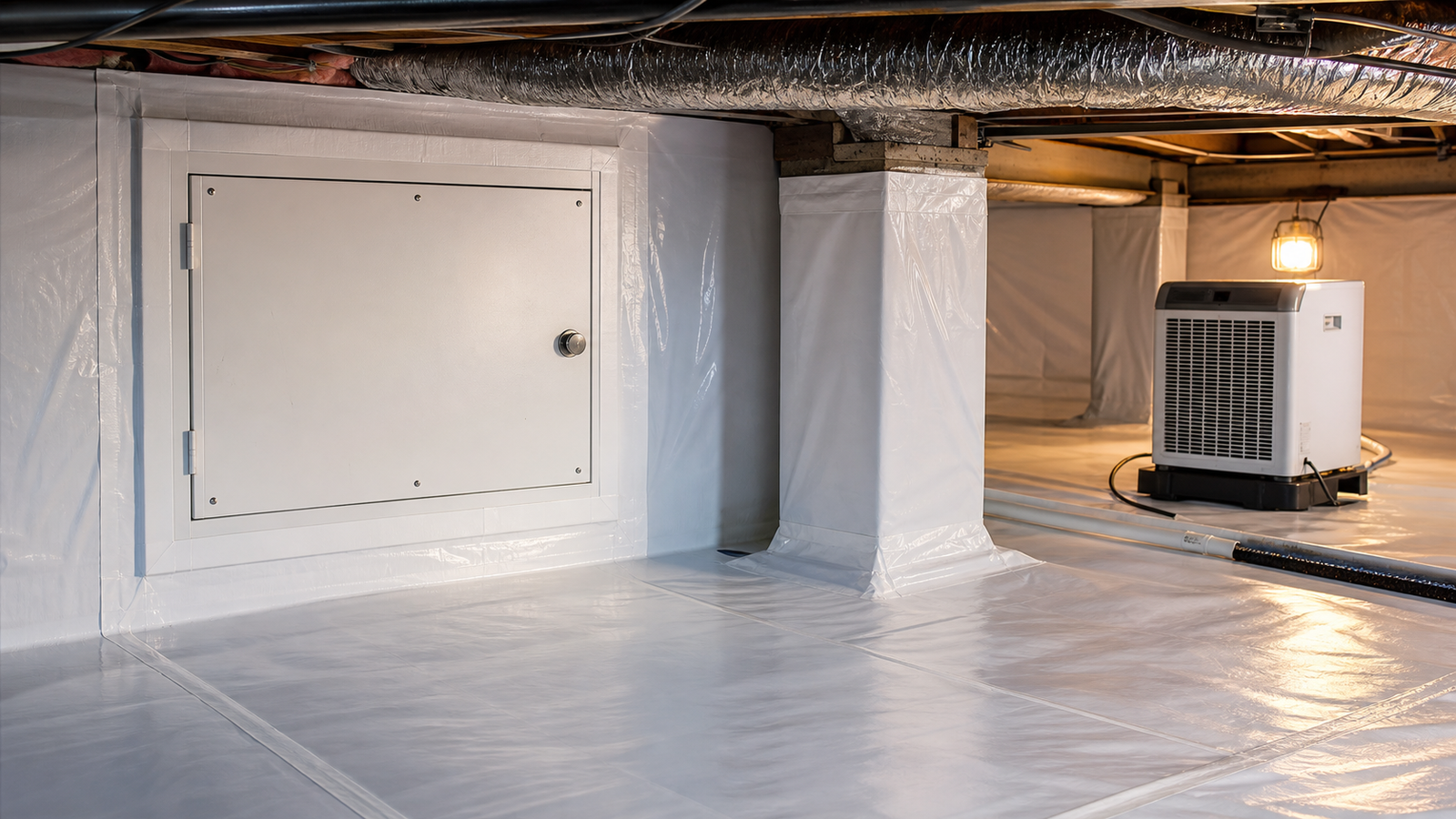
Fiberglass batts stapled between floor joists are the most common crawl space insulation, and in a damp, vented crawl space they are also the most common failure. They absorb moisture, sag, fall, and hold dampness against the subfloor.
Once insulation is wet or fallen, it stops helping comfort and starts trapping moisture and odor. The right approach depends on whether the crawl space is being sealed and conditioned or left vented, which changes whether insulation belongs at the floor or at the foundation walls.
Catawba Crawlspace Co. reviews the existing insulation, removes what has failed, and matches the new approach to the sealing plan so the insulation actually performs.
What is included
The right insulation location depends on how the crawl space is sealed.
Catawba Crawlspace Co. inspects current insulation for moisture, sagging, gaps, and contamination to decide what stays and what is removed.
Wet, fallen, or contaminated insulation is removed so it does not trap moisture and odor under the floor.
In a sealed, conditioned crawl space, insulation is placed at the foundation walls and rim so the space is brought inside the home's thermal boundary.
Where a floor-insulation approach fits, coverage is detailed around ducts, plumbing, and penetrations so gaps do not undercut performance.
Rim and band joists are addressed because those edges are a major source of air leakage and heat loss.
The approach is matched to the home so the floors feel steadier and heating and cooling work less against the crawl space.
How the work comes together
Insulation is chosen after the sealing approach, not before, so the two work together.
The crew records moisture, sagging, gaps, and contamination in the current insulation and notes duct and plumbing conditions.
Whether the crawl space is being sealed and conditioned or left vented determines where insulation belongs.
Damp, fallen, or contaminated insulation is removed so the new approach is not compromised.
Wall-and-rim insulation for a conditioned space, or detailed floor coverage where that fits, is installed around the real obstructions.
The crew shows the homeowner the finished insulation and explains how it supports comfort and efficiency.
Built for Charlotte homes
Charlotte, Gaston, and Mecklenburg County homes with vented crawl spaces often have failing floor insulation that has absorbed years of humidity. Replacing it with the right approach for a sealed space improves comfort and efficiency at the same time.
Catawba Crawlspace Co. matches insulation to the sealing plan so the crawl space is treated as one system, not a liner and some batts that work against each other.
What makes the work easier to trust
What changes afterward
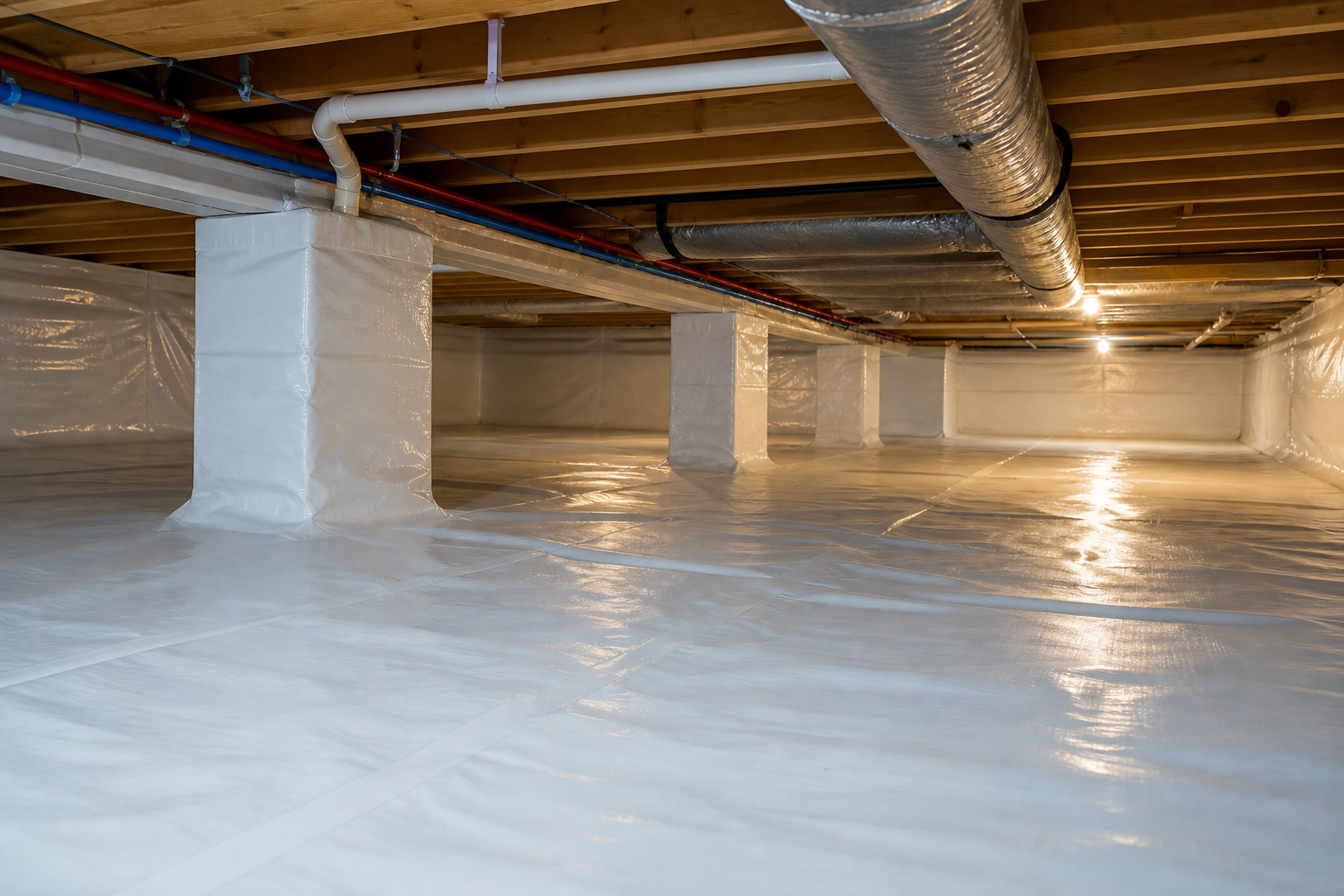
With the right insulation in place, the floors above sit over a better-controlled space, drafts and cold floors ease, and the home's heating and cooling works less against the crawl space. The failed, moisture-holding material is gone.
Homeowners get insulation that fits the sealed crawl space instead of fighting it. Catawba Crawlspace Co. explains how the approach supports comfort, efficiency, and a drier space below the floor.
Questions homeowners ask
Damp, fallen, or contaminated insulation should be removed, and the replacement approach depends on whether the crawl space is sealed and conditioned or left vented. Catawba Crawlspace Co. matches the insulation to the sealing plan.
Fiberglass batts between floor joists absorb crawl space humidity, get heavy, and sag out of place. In a damp, vented crawl space that is a common failure, which is why the approach may move to the foundation walls instead.
In a sealed, conditioned crawl space, insulation typically goes at the foundation walls and rim so the space is brought inside the home's thermal boundary. Floor insulation fits some vented setups. The sealing approach decides which is right.
It can support efficiency when the floors, ducts, and foundation sit above a better-controlled space, though the exact benefit depends on the home, air leakage, and humidity control. It works best as part of a sealed system.
Rim and band joists are a major source of air leakage and heat loss, so they are addressed as part of the insulation work rather than left as an open gap around the perimeter.
Not effectively. Insulation in a damp space absorbs moisture and fails. Sealing and drainage come first so the insulation is installed into a dry, controlled crawl space.
Start here
Catawba Crawlspace Co. will review the existing insulation, remove what has failed, and match the right approach to your sealed Charlotte area crawl space.
Phone: 704-276-6624
Office Address: 3401 Brookshire Blvd, Charlotte, NC 28216