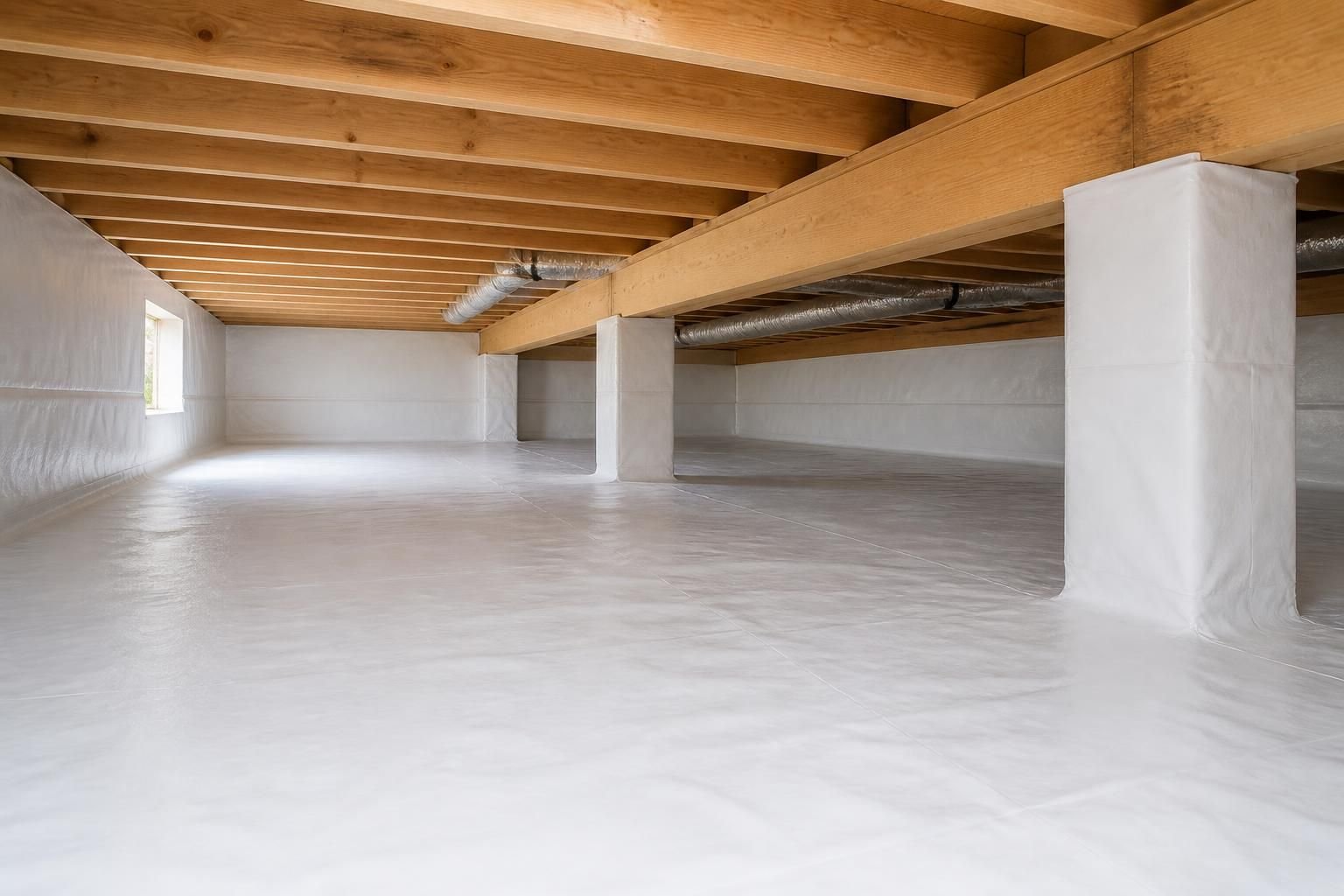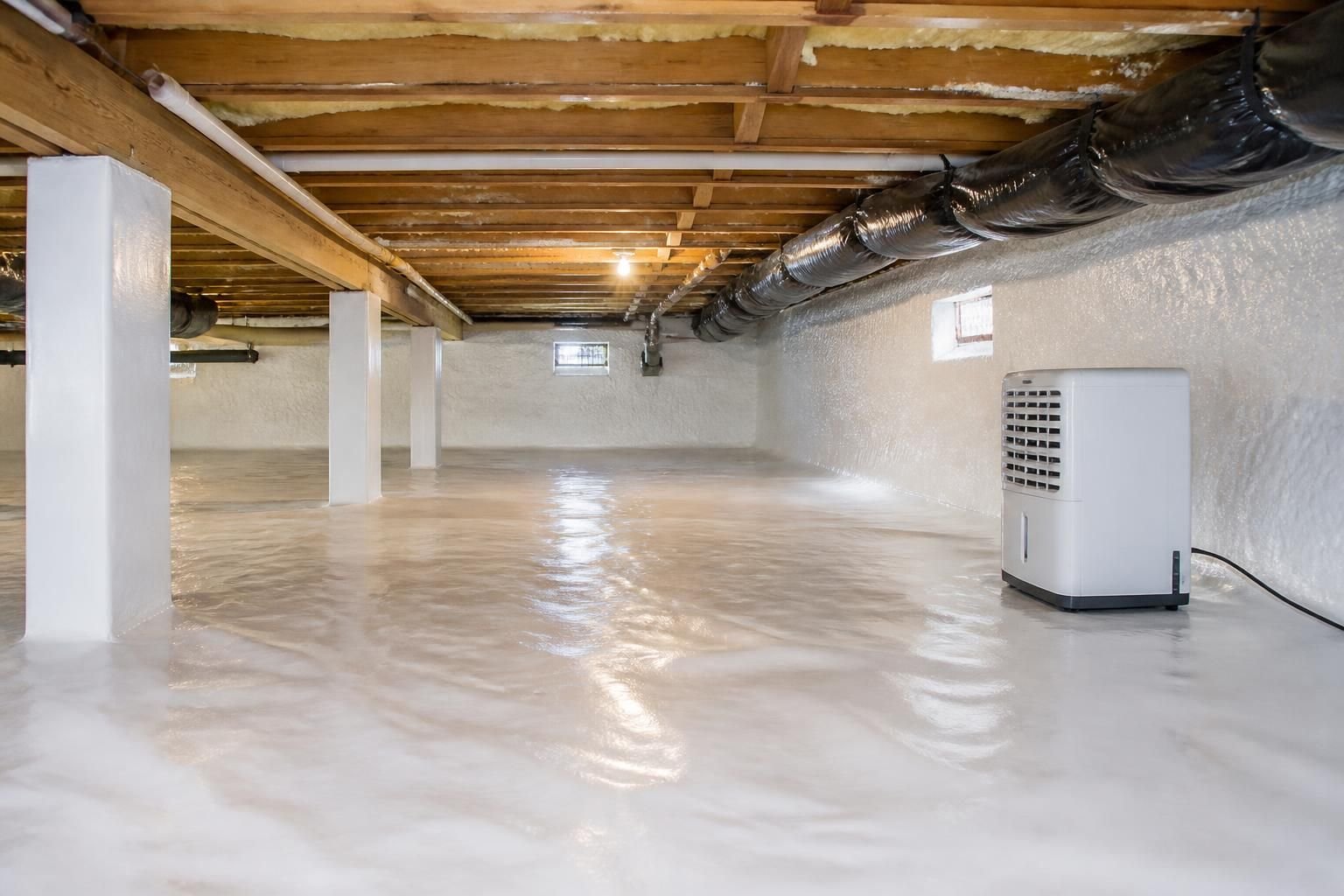
Short answer: Crawl space encapsulation timing varies with crawlspace size, access, debris, drainage, repairs, insulation, wall height, equipment, and hidden conditions. A responsible schedule explains the sequence and includes a final walkthrough instead of promising the same duration for every home.
See what a complete encapsulation plan should include to understand why preparation affects the calendar.
What happens before installation
The first stage is inspection and preparation. The crew may need to document moisture, remove debris or damaged insulation, plan drainage, address standing water, protect utilities, or make repairs before the finished liner covers the ground.
What can change the schedule
Small access doors, low clearances, multiple crawlspace sections, wet soil, foundation seepage, difficult drain routes, electrical needs, and concealed damage can add work. Weather can also affect exterior drainage or water-control steps.
Ask what happens if a hidden condition is found, how the condition will be documented, and who approves a scope change. That conversation is more useful than a generic promise about the number of days.
What communication should look like
Before work starts, confirm access instructions, the planned sequence, what the homeowner should move or protect, who is the point of contact, and when updates will be provided. A clear completion walkthrough should cover the liner, seams, equipment, drainage, service access, and maintenance.
Plan around a finished system
The project is complete when the moisture-control system is understandable and usable—not merely when the crew leaves. Request photos, operating instructions, warranty terms, and the next maintenance check so the handoff is clear.