Why Is My Crawl Space Wet?
Short answer: Your crawl space may be wet because of exposed soil vapor, humid outdoor air entering through vents, standing water after rain, foundation seepage,…
Our Blog
Short answer: Your crawl space may be wet because of exposed soil vapor, humid outdoor air entering through vents, standing water after rain, foundation seepage,…
Short answer: A crawl space gets humid when exposed soil, open vents, air leaks, duct condensation, shaded foundation areas, and Charlotte summer weather keep moisture…
Short answer: A crawl space usually smells musty because moisture is feeding odor in the materials below the home. The source may be humid air,…
Short answer: Charlotte crawl spaces often have moisture problems because clay-heavy soil can hold water near the foundation, summer humidity can enter through vents, shaded…
Short answer: Catawba Crawlspace Co. serves Charlotte-area homeowners with a focus on Charlotte, Gaston County, Mecklenburg County, and nearby communities where crawl space moisture, clay…
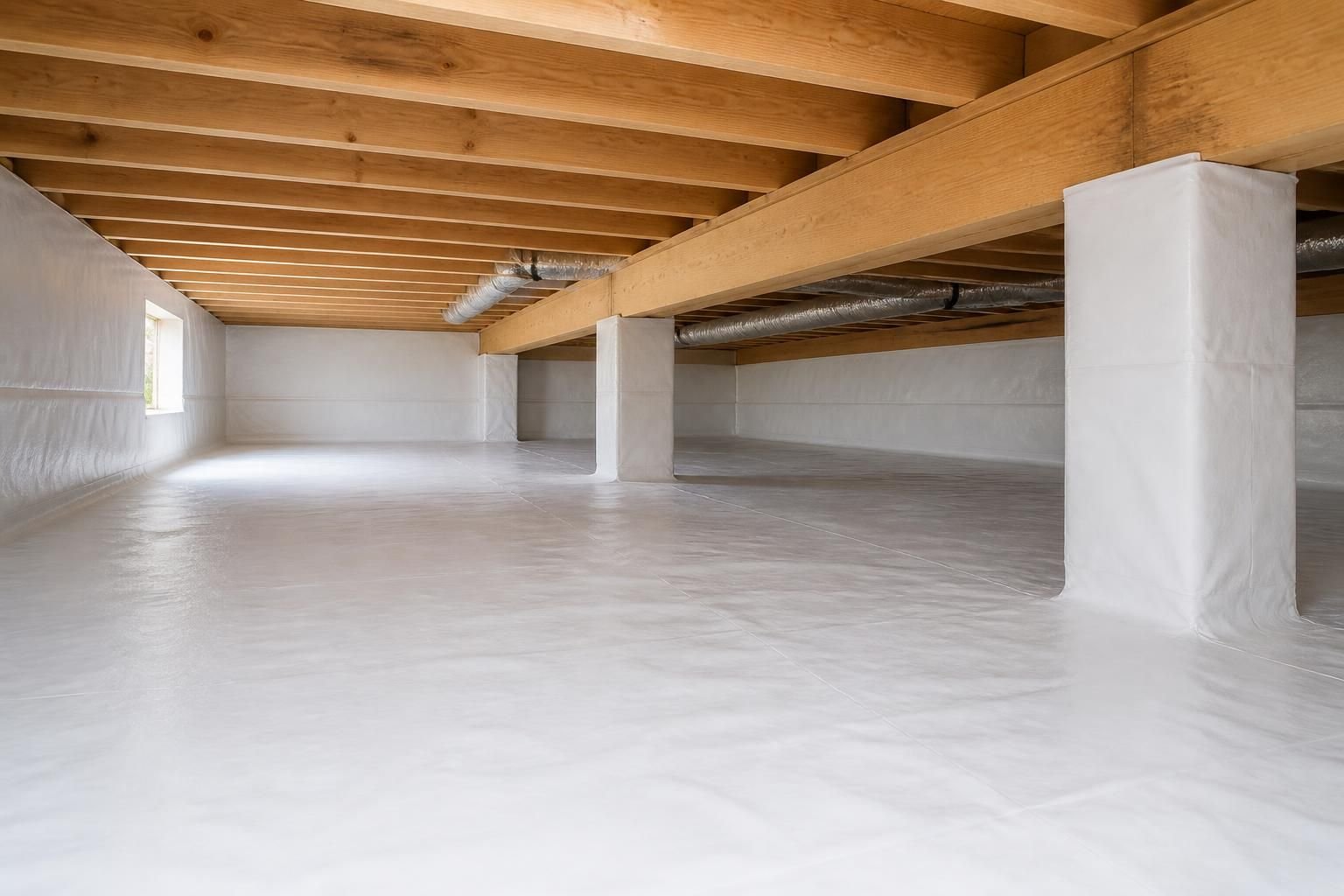
Short answer: A vapor barrier covers exposed soil to reduce ground moisture. Crawl space encapsulation is a more complete system that can include the vapor…
Short answer: A good crawl space inspection checks the ground, foundation walls, vents, ductwork, insulation, plumbing penetrations, wood framing, drainage paths, and indoor symptoms. The…
Short answer: A crawl space encapsulation plan should include inspection findings, moisture sources, drainage notes, debris or insulation removal, vapor barrier details, wall and pier…
Short answer: Standing water in a crawl space can come from poor exterior grading, short downspouts, foundation-wall seepage, low areas in the crawl space floor,…
Get Started
Share what you have noticed in your crawl space, and we will help you understand the next best step for moisture control, repairs, or encapsulation work.